What Are Rich Media Ads?

Static banner ads once dominated websites, but today's consumers expect more engaging, interactive experiences that capture their attention and drive meaningful engagement. This shift has made rich media advertising an essential component of successful digital marketing strategies.
In an era where users are bombarded with thousands of advertisements daily, brands need creative solutions that break through the noise. Rich media ads provide exactly that - dynamic, engaging experiences that transform passive viewers into active participants in your brand story.
What is Rich Media?
Rich media represents a revolutionary approach to digital advertising that goes far beyond traditional static advertisements. The rich media ads definition encompasses any advertising format that incorporates advanced interactive elements such as video, audio, animations, and user-triggered actions to create immersive experiences.
Unlike conventional display ads that rely solely on static images and text, rich media advertising leverages cutting-edge technologies like HTML5 to deliver dynamic content that responds to user interactions. These advertisements can expand, play videos, incorporate sound, or even include gamification elements that encourage users to spend more time engaging with your brand message.
The foundation of rich media lies in its ability to combine multiple content types within a single advertisement. This might include high-quality visuals paired with compelling video content, interactive elements that respond to mouse movements, or expandable formats that reveal additional information when users show interest by hovering or clicking.
What makes rich media particularly powerful is its adaptability across different devices and platforms. Whether displayed on desktop computers, tablets, or smartphones, these ads automatically adjust their functionality and appearance to provide optimal user experiences regardless of the viewing environment.
The technology behind rich media advertising has evolved significantly, with HTML5 becoming the standard that enables seamless cross-platform compatibility while maintaining rich interactive features that were previously only possible through proprietary plugins.
Rich Media Ad Formats and Types
Understanding the various rich media ad formats available is crucial for selecting the right approach for your advertising objectives. Each format offers unique advantages and works best in specific contexts and campaign goals.
Rich Media Banner Ads
Rich media banner ads represent the evolution of traditional banner advertising, incorporating interactive elements that transform static placements into engaging experiences. These ads maintain the familiar rectangular format while adding dynamic features like hover effects, embedded video players, or expandable content areas.
The beauty of rich media banners lies in their versatility. They can include subtle animations that catch the eye without being intrusive, or more complex interactive elements that invite users to explore your offerings directly within the ad unit. Many rich media banner ads also incorporate social sharing buttons, allowing users to spread your message across their networks.

Interactive Skins
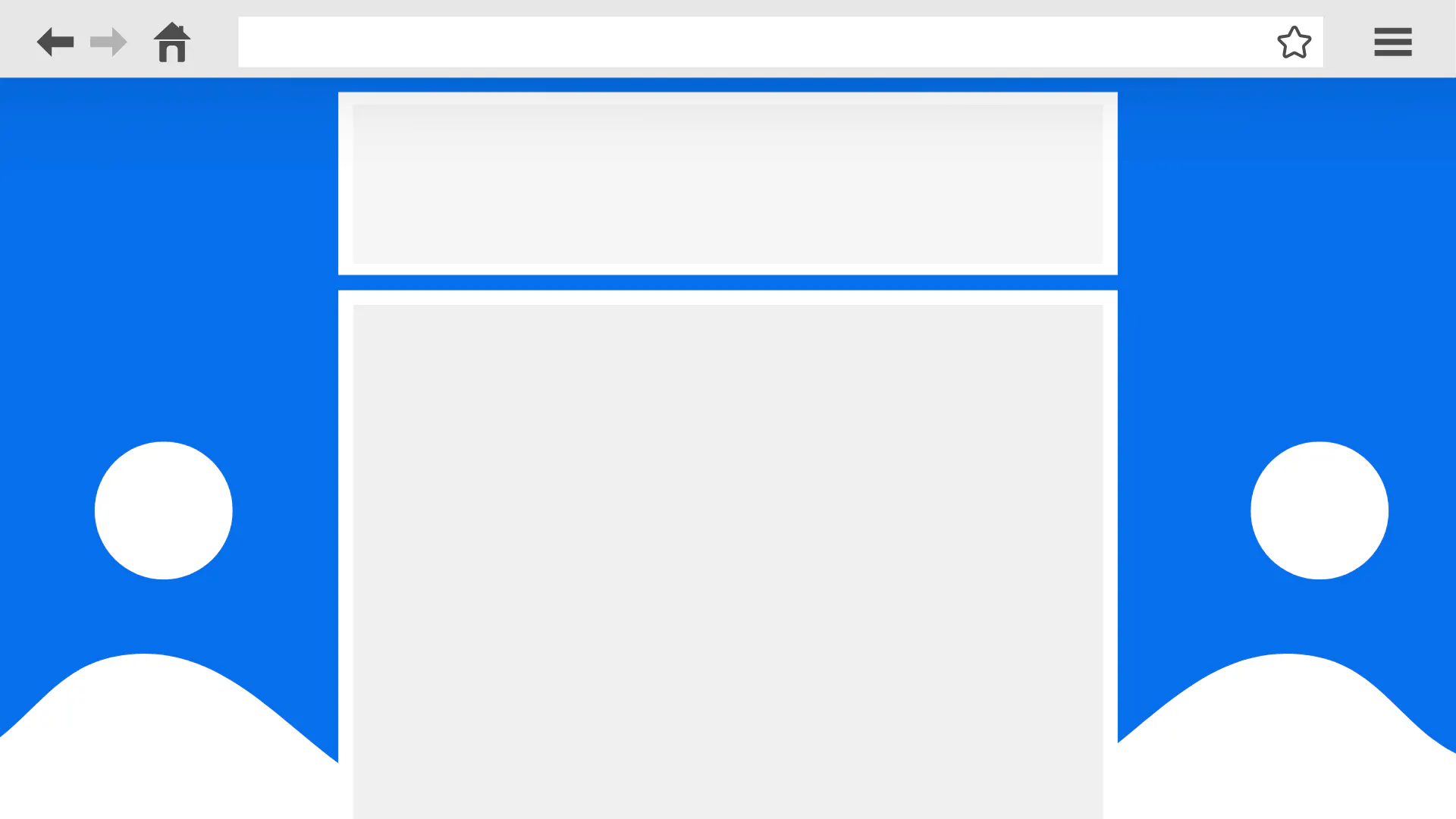
Interactive skins create immersive brand experiences by wrapping around website content with dynamic, engaging elements. These high-impact formats can include video backgrounds, animated sequences, and interactive hotspots that respond to user actions. Video interactive skins take this concept further by incorporating seamless video content that plays within the skin framework, creating cinema-quality brand storytelling that surrounds the user's browsing experience without disrupting content consumption.
Expandable Ads
Expandable rich media ads start as standard-sized units but grow larger when users interact with them. This format provides the best of both worlds: minimal initial footprint to avoid disrupting the user experience, combined with expanded real estate for detailed messaging when users express interest.
These ads can expand in multiple directions and include rich content like product galleries, detailed specifications, or even mini-websites within the expanded view. The expandable format works particularly well for product launches, detailed service explanations, or any campaign requiring more space to tell a complete story.
Video Rich Media Ads
Video content has become the cornerstone of effective digital advertising, and rich media video ads take this concept further by adding interactive elements to traditional video advertising. These ads might include clickable hotspots during video playback, multiple video choices allowing users to choose their own adventure, or interactive overlays that provide additional information without interrupting the viewing experience.
Rich media video ads often outperform standard video advertisements because they provide viewers with control over their experience, leading to higher engagement rates and better brand recall.
Livestream Ads
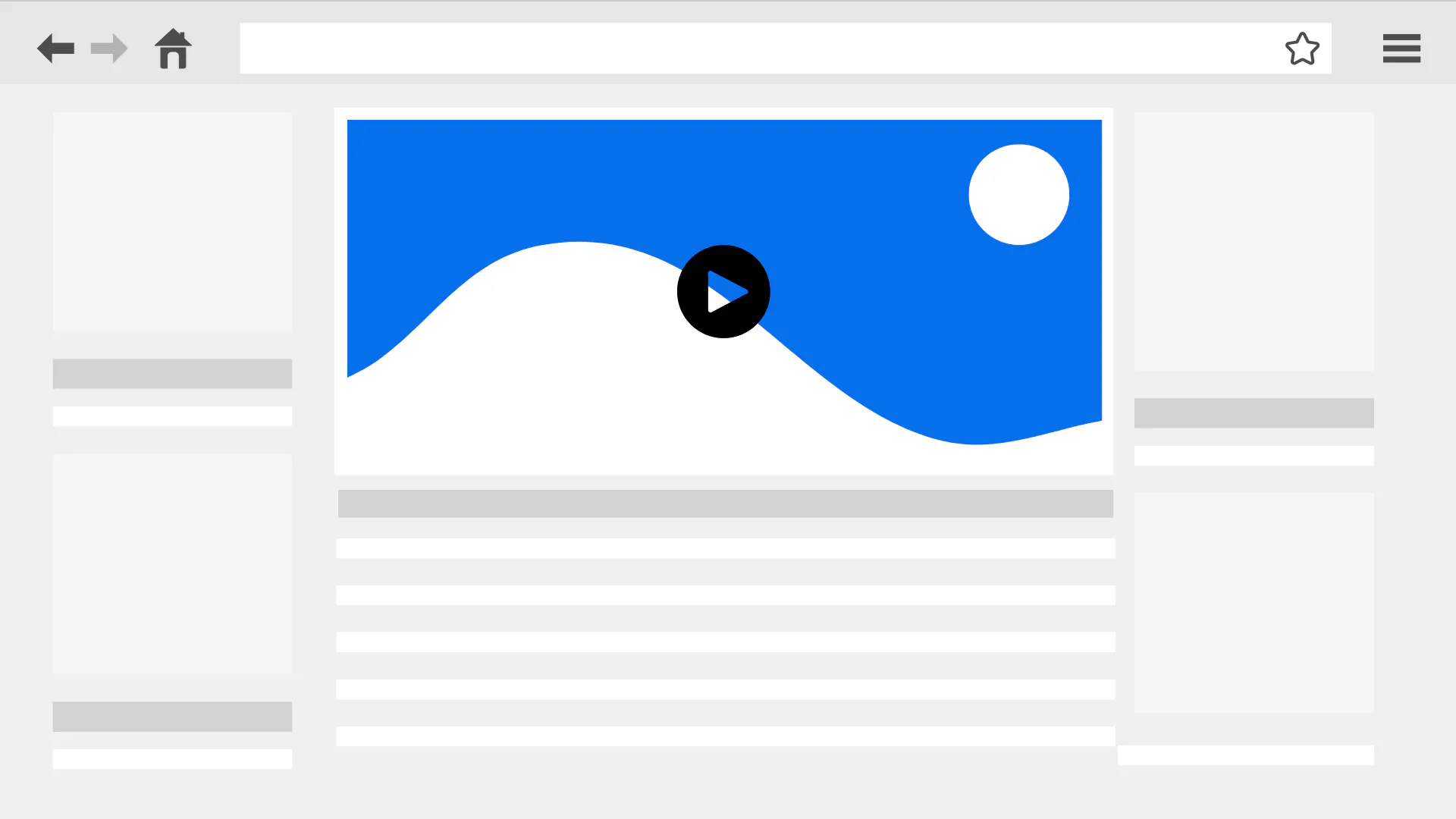
Livestream rich media ads capitalize on the growing popularity of live content by integrating interactive advertising directly into streaming experiences. These ads can appear as overlay elements during live broadcasts, interactive chat integrations, or sponsored content segments that feel native to the streaming environment. The real-time nature of livestream advertising creates unique opportunities for immediate audience engagement and time-sensitive promotional campaigns.
Interstitial Ads
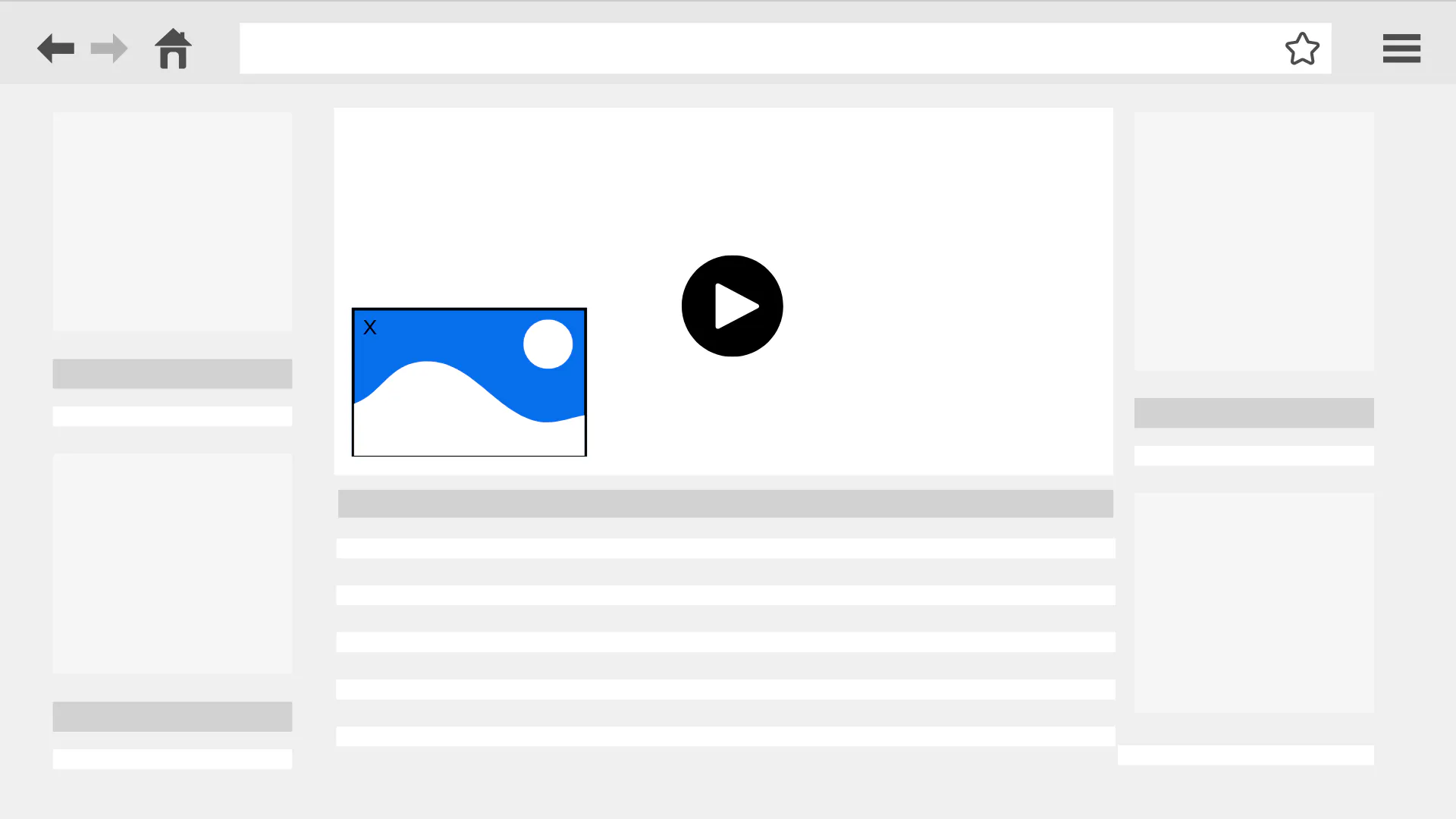
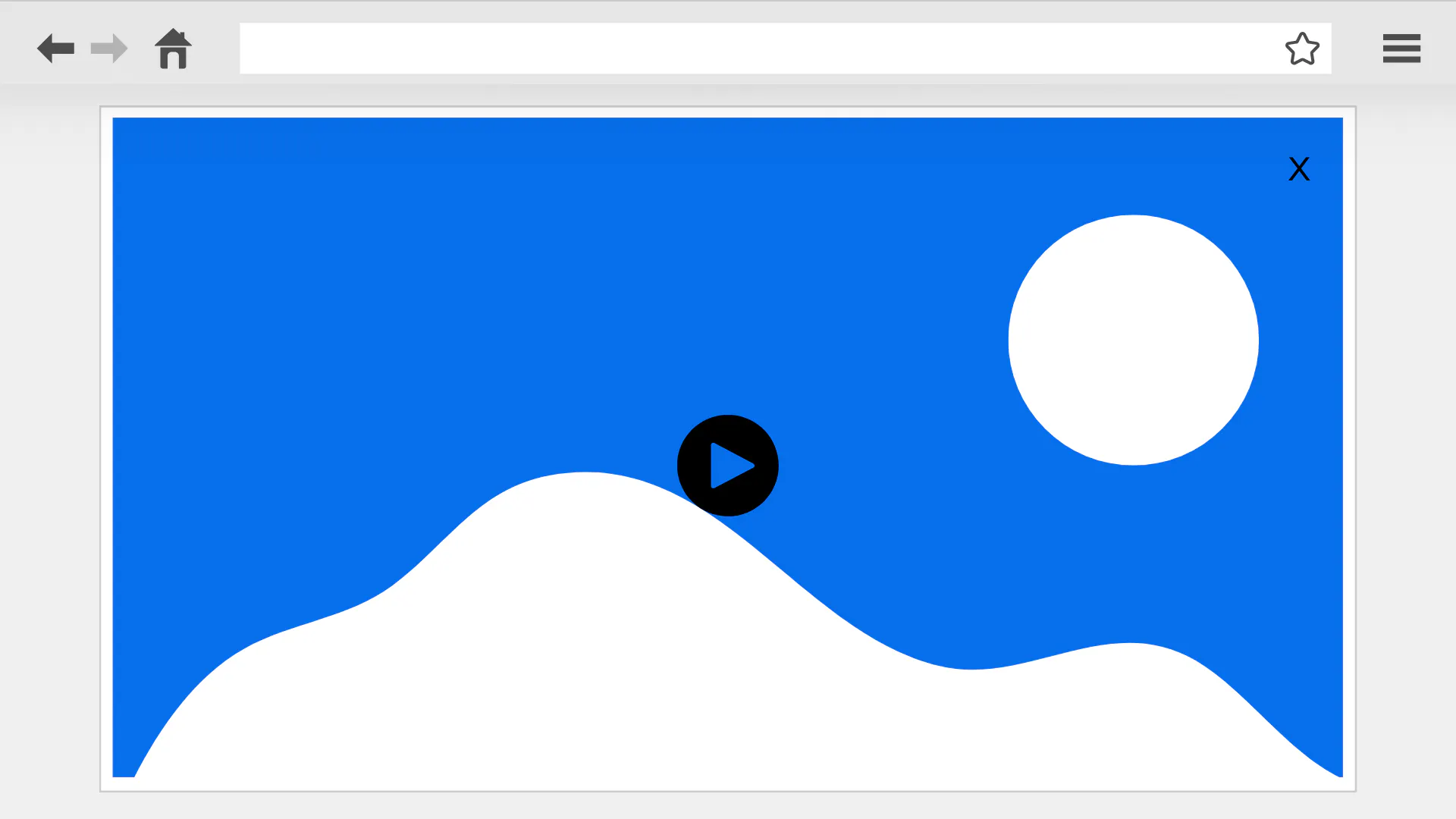
Interstitial rich media ads appear as full-screen experiences, typically during natural transition points in user journeys. These ads command complete attention and provide unlimited creative possibilities for storytelling and interaction.
The key to successful interstitial advertising lies in timing and relevance. When properly implemented, these ads feel like natural extensions of the user experience rather than interruptions, leading to higher engagement and conversion rates.
MRAID Mobile Ads
Mobile Rich Media Ad Interface Definitions (MRAID) ads represent the technical standard that enables sophisticated rich media experiences specifically designed for mobile environments. MRAID ads can detect device capabilities and automatically adapt their functionality, supporting features like calendar integration, phone dialing, SMS messaging, and app store redirects. This standardized approach ensures consistent performance across different mobile platforms while enabling advanced interactions that feel native to mobile user behavior.
Rich Media Mobile Ads
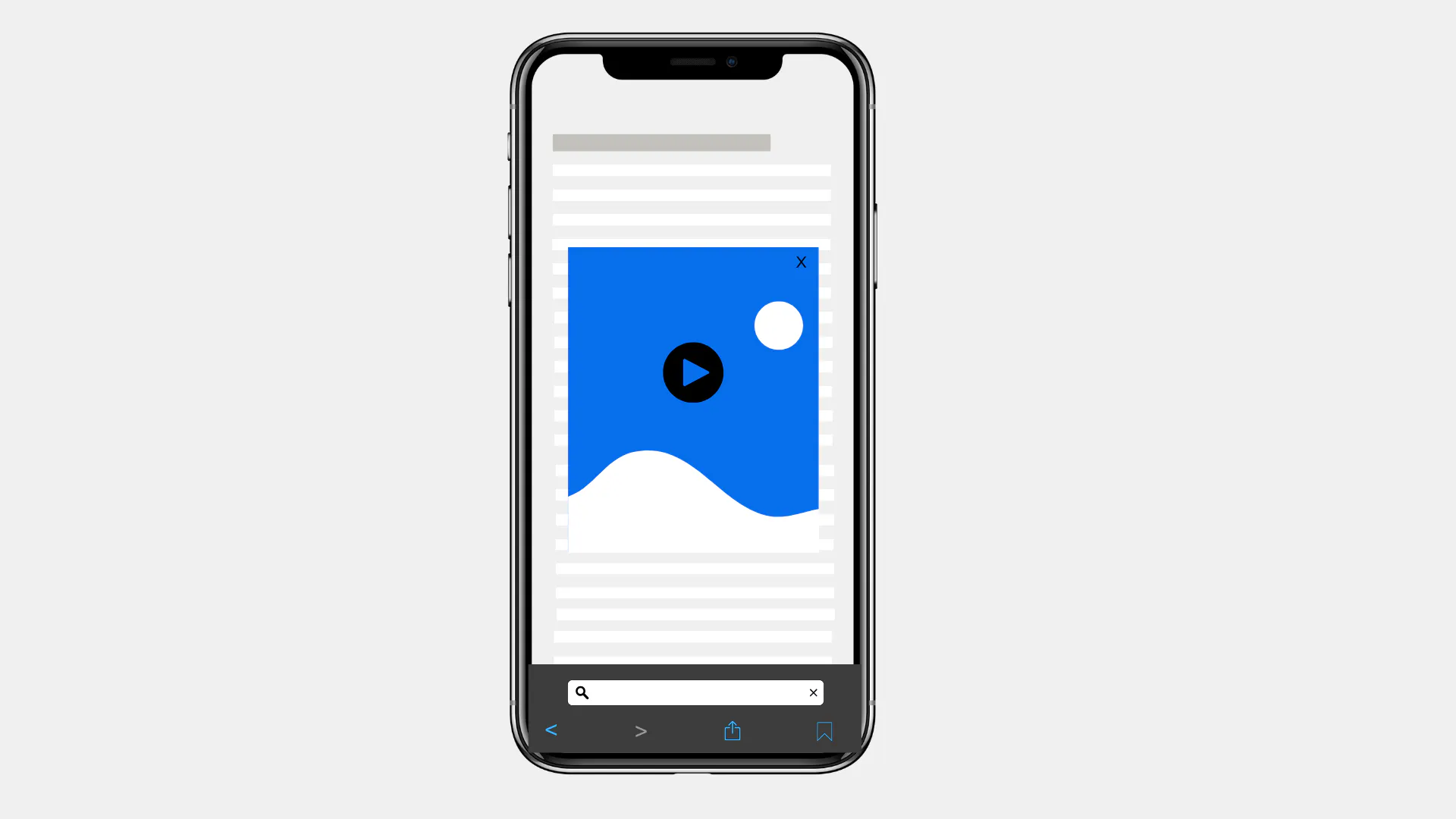
The mobile advertising landscape demands special consideration due to unique device capabilities and user behaviors. Rich media mobile ads leverage features like touch gestures, device orientation, GPS location, and camera functionality to create truly native mobile experiences.
These ads might encourage users to shake their device to reveal content, use swipe gestures to navigate through product catalogs, or incorporate location-based offers that activate when users are near physical store locations.
Benefits of Rich Media Ads
The advantages of implementing rich media advertising extend far beyond simple engagement metrics, impacting every aspect of campaign performance and brand perception.
Enhanced User Engagement
Rich media ads consistently deliver higher engagement rates compared to static alternatives. The interactive nature of these advertisements encourages users to spend more time with your content, leading to deeper brand connections and improved message retention. Studies consistently show that rich media campaigns achieve engagement rates significantly higher than traditional display advertising.
Improved Brand Recall and Recognition
The memorable nature of rich media experiences creates lasting impressions that extend well beyond the initial interaction. Users who engage with rich media ads demonstrate significantly higher brand recall in follow-up surveys, indicating that the investment in interactive content pays dividends in long-term brand building.
Better Targeting and Personalization Opportunities
Rich media platforms provide sophisticated targeting options that allow advertisers to deliver personalized experiences based on user behavior, demographic information, and real-time context. This precision targeting ensures that interactive elements and content offerings align with individual user interests and needs.
Higher Conversion Rates
The combination of increased engagement, better targeting, and memorable experiences translates directly into improved conversion rates. Rich media ads provide multiple touchpoints for conversion within the ad experience itself, reducing friction in the customer journey and increasing the likelihood of desired actions.
Enhanced Analytics and Insights
Rich media advertising provides detailed analytics that go far beyond traditional click-through rates. Advertisers can track specific interactions, engagement duration, content consumption patterns, and user behavior within the ad experience, providing valuable insights for campaign optimization and future strategy development.
Rich Media vs Traditional Ads
Understanding the fundamental differences between rich media and traditional advertising approaches helps clarify when and why to invest in interactive formats.
Traditional display ads typically consist of static images with accompanying text, designed to convey a single message and drive clicks to external landing pages. These ads are lightweight, quick to load, and simple to create, but offer limited engagement opportunities and struggle to capture attention in today's crowded digital environment.
Rich media ads, in contrast, provide immersive experiences that engage users directly within the ad unit. While they require larger file sizes and more complex development processes, the payoff comes in significantly higher engagement rates, better brand recall, and improved campaign performance across all key metrics.
The cost difference between traditional and rich media advertising reflects the additional value provided. While rich media ads require higher upfront investment in creative development and media placement, the improved performance typically results in better return on investment and lower cost per acquisition.
The choice between traditional and rich media advertising often depends on campaign objectives, target audience characteristics, and available resources. Brand awareness campaigns particularly benefit from rich media approaches, while direct response campaigns might find success with either format depending on the specific context and offer.
How to Create Rich Media Ads
Creating effective rich media advertising requires careful planning, creative vision, and technical expertise to deliver experiences that engage users while achieving campaign objectives.
Planning and Strategy Development
Successful rich media campaigns begin with clear objective definition and audience understanding. Consider what specific actions you want users to take within the ad experience and how those actions support broader campaign goals. Map out user journeys and identify key interaction points that will provide value to both users and your brand.
Creative Concept Development
Rich media advertising offers unlimited creative possibilities, but the best campaigns balance innovation with usability. Focus on concepts that enhance rather than complicate the user experience, ensuring that interactive elements serve clear purposes in advancing your messaging or facilitating desired actions.
Technical Implementation
Modern rich media ads rely heavily on HTML5 technology for cross-platform compatibility and smooth performance. Work with experienced developers who understand the technical requirements and limitations of different advertising platforms and can optimize performance across various devices and connection speeds.
Testing and Optimization
Rich media ads require extensive testing across different devices, browsers, and network conditions to ensure consistent performance. Plan for multiple iterations and be prepared to adjust interactive elements based on user behavior data and performance metrics.
How to Implement Rich Media Ads
Successful implementation of rich media advertising requires strategic platform selection, proper technical setup, and ongoing campaign management to maximize performance and return on investment.
Platform Selection and Setup
Different advertising platforms offer varying levels of rich media support and targeting capabilities. Research platform specifications, creative requirements, and audience reach to select the most appropriate channels for your campaign objectives. Ensure that your chosen platforms support the specific rich media features essential to your campaign success.
Campaign Configuration and Targeting
Rich media campaigns benefit from sophisticated targeting options that align interactive experiences with user interests and behaviors. Configure campaigns to reach users most likely to engage with your interactive content, and consider factors like device type, connection speed, and browsing context when setting up targeting parameters.
Creative Asset Management
Rich media ads typically involve multiple creative assets, including images, videos, animations, and interactive elements. Establish clear naming conventions and version control systems to manage these assets effectively throughout the campaign lifecycle.
Launch and Monitoring
Monitor rich media campaigns closely during the initial launch phase to identify technical issues or performance concerns quickly. Pay particular attention to load times, interaction rates, and user feedback to ensure that the campaign delivers the intended experience across all target environments.
Performance Measurement and Metrics
Measuring rich media advertising success requires understanding both traditional advertising metrics and new engagement indicators specific to interactive experiences.
Traditional metrics like impressions, clicks, and conversions remain important, but rich media advertising provides additional insights through interaction tracking, engagement duration, and specific feature usage analytics. These deeper metrics help optimize campaign performance and inform future creative development.
Key performance indicators for rich media campaigns should include interaction rates, average engagement time, content consumption patterns, and conversion attribution across different interaction types. Advanced analytics can reveal which interactive elements drive the strongest user responses and contribute most effectively to campaign objectives.
Regular performance analysis should inform ongoing optimization efforts, including creative adjustments, targeting refinements, and platform allocation changes. The rich data available from rich media campaigns provides opportunities for sophisticated optimization that goes far beyond traditional advertising approaches.
Conclusion
Rich media advertising represents the future of digital marketing, offering brands unprecedented opportunities to create meaningful connections with their audiences through interactive, engaging experiences. While these campaigns require greater investment in creative development and technical implementation, the results consistently demonstrate superior performance across all key metrics.
The continued evolution of web technologies, increasing user expectations for interactive content, and the proven effectiveness of rich media approaches make this advertising format essential for brands seeking to differentiate themselves in competitive digital environments.
Success with rich media advertising requires commitment to creative excellence, technical proficiency, and ongoing optimization based on performance data. Brands that embrace this approach while maintaining focus on user value and experience quality will find rich media advertising to be a powerful driver of engagement, brand awareness, and business results.
Contact our team to learn more about implementing rich media advertising strategies that engage your audience and drive measurable results for your business.
Related Posts